Understanding Coffee Bean Origins and Flavor Profiles
Journey through the world's coffee-growing regions and learn how terroir, altitude, and processing methods shape the flavors in your cup. From fruity Africans to nutty South Americans.
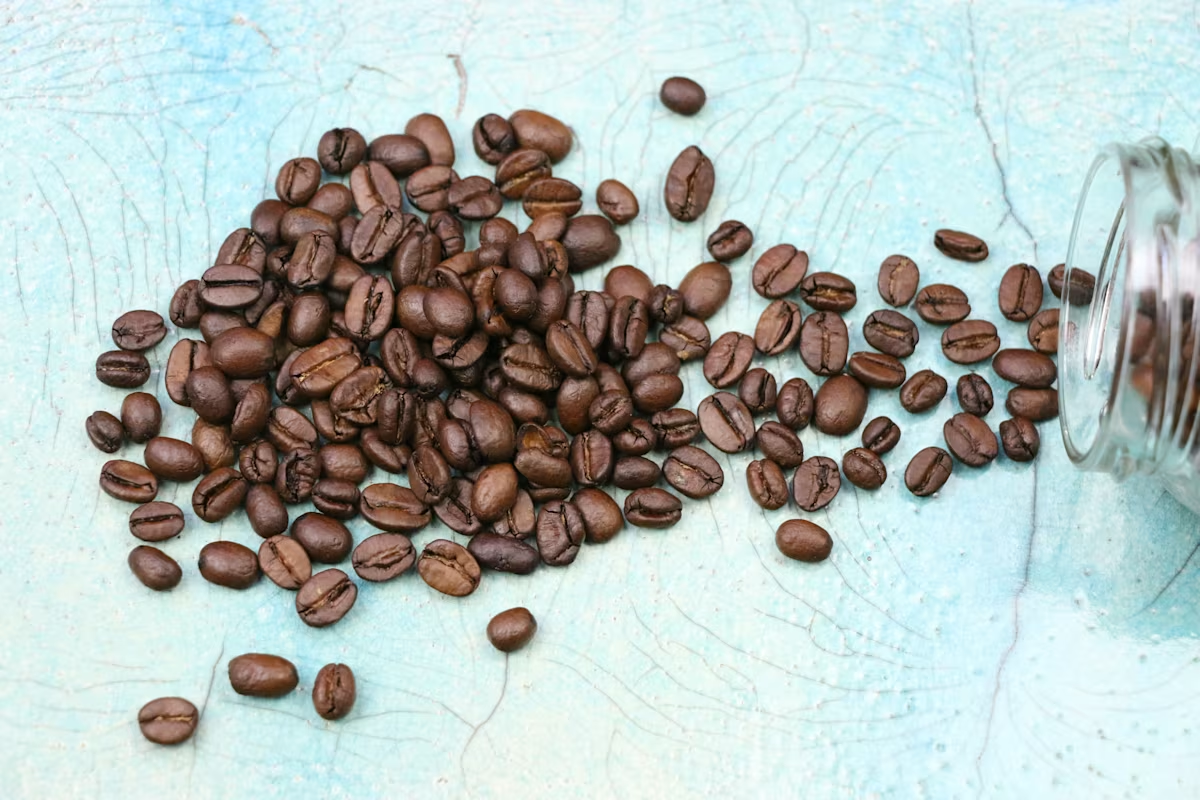
Coffee is one of the most complex beverages in the world, with over 1,000 aromatic compounds identified. Understanding where your coffee comes from can transform your appreciation of every sip.
African Origins
Ethiopia, the birthplace of coffee, produces beans with incredibly diverse flavor profiles. Expect bright acidity, floral notes, and distinct fruit characteristics like blueberry, strawberry, or citrus. Kenyan coffees are known for their wine-like acidity and blackcurrant flavors.
Central and South American Coffees
Colombian coffees offer balanced profiles with caramel sweetness and nutty undertones. Brazilian beans tend toward chocolate and nut flavors with lower acidity—perfect for espresso blends. Guatemalan coffees grown at high altitudes develop complex flavors with spicy, chocolatey notes.
Asian Pacific Region
Indonesian coffees like Sumatra Mandheling are known for their full body, low acidity, and earthy, herbal flavors. These coffees often undergo wet-hulling processing, which creates their distinctive character. Papua New Guinea produces coffees with fruit-forward, wine-like qualities.
Exploring at Your Local Cafe
Many specialty cafes now offer single-origin options. Don't be afraid to ask your barista about the origin of their current offerings. Try the same brewing method with different origins to really understand how geography influences flavor.